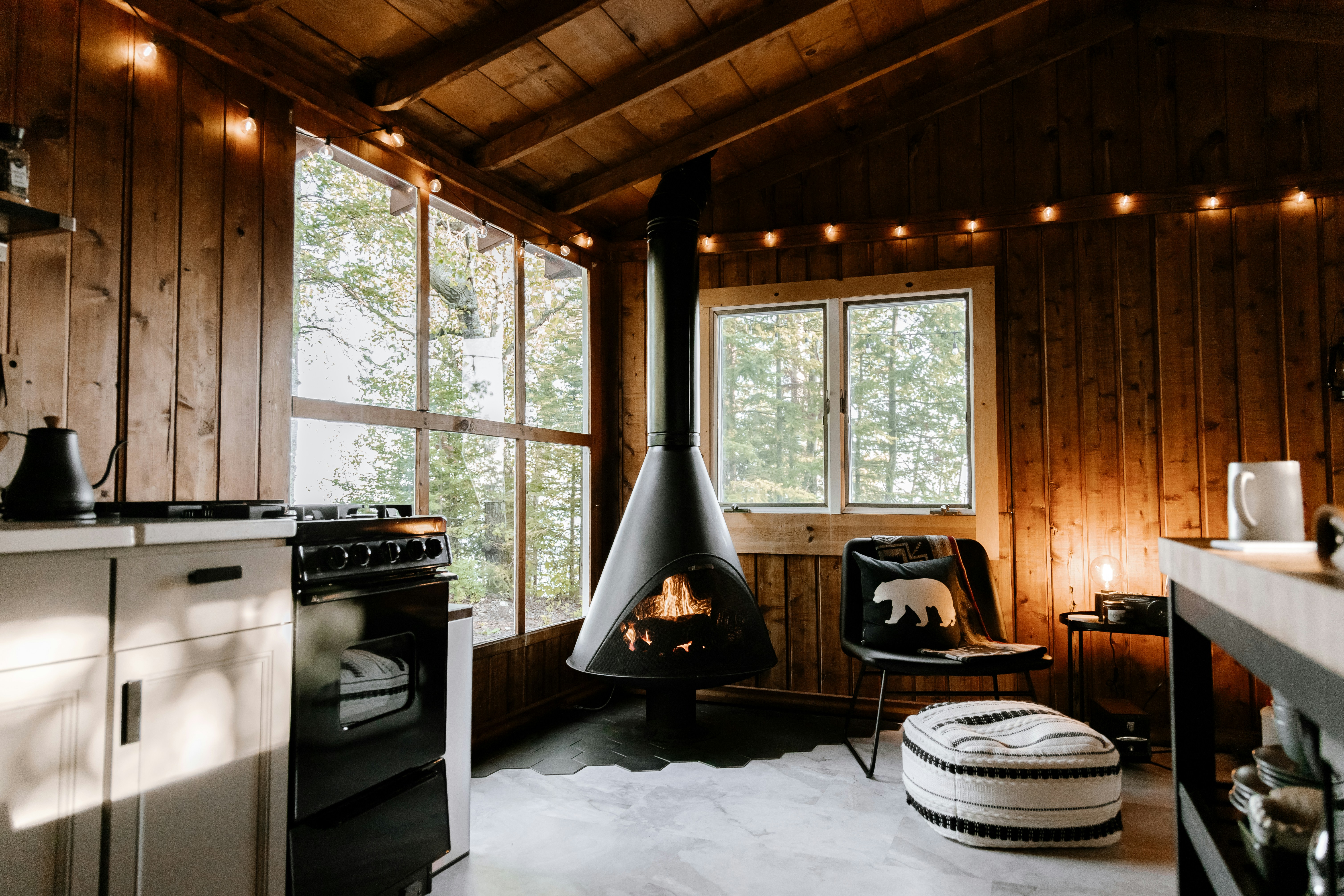
Embracing Biophilic Design: Bringing Natural Texas Elements Indoors
The cold gray trend is over. Dallas homeowners are embracing warm, natural interiors that connect to Texas landscapes. Biophilic design brings nature indoors through materials, textures, colors, and living elements. The result feels organic, calming, and timeless.
At Arthur's Home Renovation, we help Dallas homeowners transition to nature-inspired spaces. Here's how to incorporate biophilic design in your home.
What Is Biophilic Design?
Design that connects people to nature through natural materials, light, plants, and organic patterns.
Uses wood, stone, natural fibers, earthy colors, and living greenery.
Creates calm, healthy spaces that reduce stress and improve wellbeing.
Opposite of sterile, all-white, or industrial-gray interiors.
Natural Wood Elements
Live-Edge Wood: Slabs with natural bark edges for counters, shelving, or accent walls. Costs $500-$3,000 depending on size.
Reclaimed Wood Beams: Exposed ceiling beams add rustic warmth. Costs $1,500-$5,000.
Wood Accent Walls: Horizontal planks or reclaimed boards create focal points. Costs $8-$20 per square foot installed.
Wood Cabinetry: Natural oak, walnut, or maple instead of painted finishes. Adds warmth to kitchens and bathrooms.
Floating Shelves: Live-edge or solid wood for open storage. Costs $100-$500 per shelf.
Texas Limestone Features
Limestone is native to Texas Hill Country—brings local character indoors.
Limestone Accent Walls: Natural stone creates texture and earthy tones. Costs $15-$35 per square foot installed.
Fireplace Surrounds: Stacked limestone adds warmth and focal points. Costs $2,000-$8,000.
Backsplashes: Natural stone instead of tile. Costs $20-$40 per square foot.
Outdoor-Indoor Integration: Use same limestone inside and on patio for continuity.
Limestone's warm beiges and creams complement Texas landscapes.
Earthy Color Palettes
Replace cool grays with warm, nature-inspired tones.
Warm Neutrals: Beige, tan, cream, greige (warm gray-beige blend).
Earth Tones: Terracotta, clay, rust, sand, warm browns.
Nature Greens: Sage, olive, forest green—not bright artificial greens.
Accent Colors: Deep blues (like Texas skies), warm metallics (brass, copper, bronze).
These colors feel grounded and timeless versus trendy.
Large-Format Natural Tile
Big tiles create seamless, organic looks.
Porcelain That Mimics Stone: Large slabs look like marble or limestone. Costs $8-$20 per square foot.
Wood-Look Tile: Porcelain planks mimic hardwood with better durability. Costs $6-$15 per square foot.
Terrazzo: Natural stone chips in concrete—earthy and unique. Costs $15-$35 per square foot.
Concrete-Look Tile: Warm gray concrete appearance. Costs $8-$18 per square foot.
Fewer grout lines create cleaner, more natural appearances.
Indoor Plants and Greenery
Living plants are essential to biophilic design.
Built-In Planters: Integrated into walls or shelving. Costs $200-$1,000 each.
Living Walls: Vertical gardens with irrigation systems. Costs $150-$300 per square foot.
Window Ledges: Wide sills for plant displays. Costs $300-$1,500.
Corner Plant Stands: Dedicated spots for large floor plants. Costs $50-$300.
Choose low-maintenance plants: pothos, snake plants, ZZ plants, fiddle leaf figs.
Natural light placement crucial for plant health.
Natural Light Maximization
Bring sunlight deep into homes.
Larger Windows: Replace small windows with bigger ones. Costs $500-$1,500 per window.
Skylights: Add natural light to dark interiors. Costs $1,500-$4,000 each installed.
Glass Doors: Replace solid doors with French doors or sliding glass. Costs $1,000-$4,000.
Light Paint Colors: Reflect natural light throughout spaces.
Natural light improves mood and connects to outdoor rhythms.
Organic Textures
Layer natural materials for depth and interest.
Jute or Sisal Rugs: Natural fiber rugs add texture. Costs $200-$1,500.
Linen Curtains: Soft, natural window treatments. Costs $100-$500 per window.
Woven Baskets: Storage that adds organic texture. Costs $30-$200 each.
Leather Accents: Natural leather furniture or accessories. Varies widely by item.
Stone Accessories: Marble trays, stone bowls, natural vessels.
Mix textures prevents spaces from feeling flat.
Indoor-Outdoor Connection
Blur lines between inside and outside.
Large Sliding Glass Doors: Connect living spaces to patios. Costs $2,000-$8,000.
Consistent Flooring: Use same tile inside and on covered patios. Creates flow.
Pass-Through Windows: Kitchen windows that open to outdoor serving areas. Costs $1,500-$4,000.
Outdoor Views: Arrange furniture to frame garden or landscape views.
Makes homes feel larger and more connected to nature.
Natural Metal Finishes
Replace chrome and stainless with warmer metals.
Brass: Warm gold tones for hardware and fixtures. Costs similar to other finishes.
Bronze: Oil-rubbed or aged bronze adds richness.
Copper: Warm reddish tones create statements.
Black Iron: Matte black with organic feel—not industrial.
These metals complement natural wood and stone better than cool metals.
Curves and Organic Shapes
Replace harsh angles with softer, nature-inspired forms.
Arched Doorways: Gentler than square openings. Costs $500-$2,000 to add arch.
Rounded Corners: On counters, islands, or built-ins.
Organic-Shaped Mirrors: Irregular, nature-inspired shapes versus geometric.
Curved Furniture: Rounded sofas and chairs feel more organic.
Curves mimic forms found in nature.
Budget-Friendly Biophilic Updates
Full natural remodel: $30,000-$100,000+
Mid-range updates: $8,000-$25,000
Wood accent wall
Natural stone feature
New warm-toned paint
Indoor plants and planters
Natural fiber rugs
Budget refresh: $1,000-$5,000
Paint walls in warm neutrals
Add live plants throughout
Natural wood floating shelves
Swap to warm metal hardware
Linen or natural fiber textiles
Start small and layer natural elements over time.
Transitioning from Cool Gray
Replace cool grays gradually without full remodel.
Paint walls warmer neutrals—greige instead of pure gray.
Add wood tones through furniture and accents.
Introduce plants for life and color.
Swap cool metal fixtures for brass or bronze.
Layer warm textiles—rust, terracotta, natural fibers.
Spaces feel instantly warmer and more inviting.
Maintenance Considerations
Natural materials require appropriate care.
Wood: Seal properly to prevent water damage and staining.
Limestone: Seal annually to prevent etching and stains.
Plants: Require watering, light, occasional fertilizing.
Natural Fibers: May stain more easily than synthetics—use in low-traffic areas.
Accept that natural materials show character and patina over time—that's part of their appeal.
Return on Investment
Biophilic design appeals to current buyer preferences.
Warm, natural interiors feel timeless versus trendy grays.
Quality natural materials last longer than cheap alternatives.
Creates emotional connection that generic finishes don't.
Typically returns 60-80% of investment in mid-to-high-end markets.
Work with Design Experts
Biophilic design requires understanding materials, proportions, and how to balance natural elements.
Arthur's Home Renovation helps Dallas homeowners create warm, nature-inspired spaces. Our father-and-son team has over 10 years of experience working with natural materials and organic design.
We source quality wood, stone, and natural finishes that suit Texas homes.
We offer free consultations to discuss transitioning your home to biophilic design.
Ready to bring natural Texas elements into your Dallas home? Contact Arthur's Home Renovation for a free consultation. Let's create a warm, nature-inspired space you'll love.
Contact
Ready to transform your home? Reach out to discuss your project. We'd love to hear about your vision and help bring it to life.